“I want my children to be native”
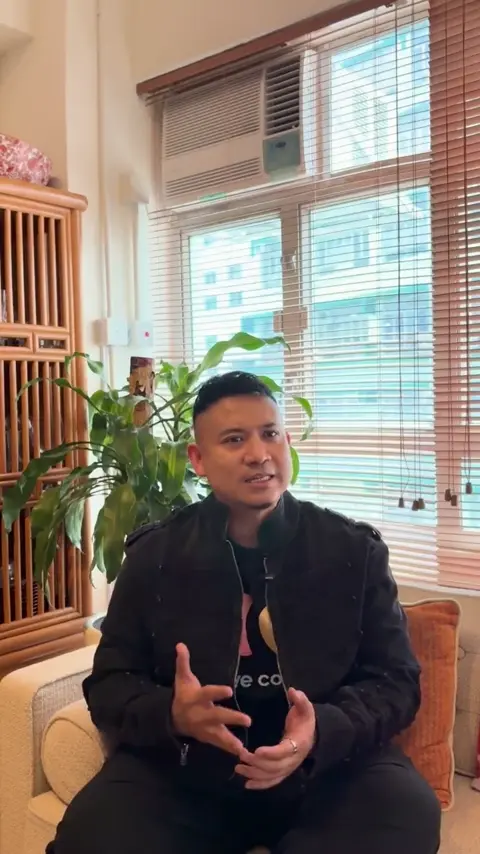
Jessica from Mulberry House stresses the difference between language immersion and a typical language class
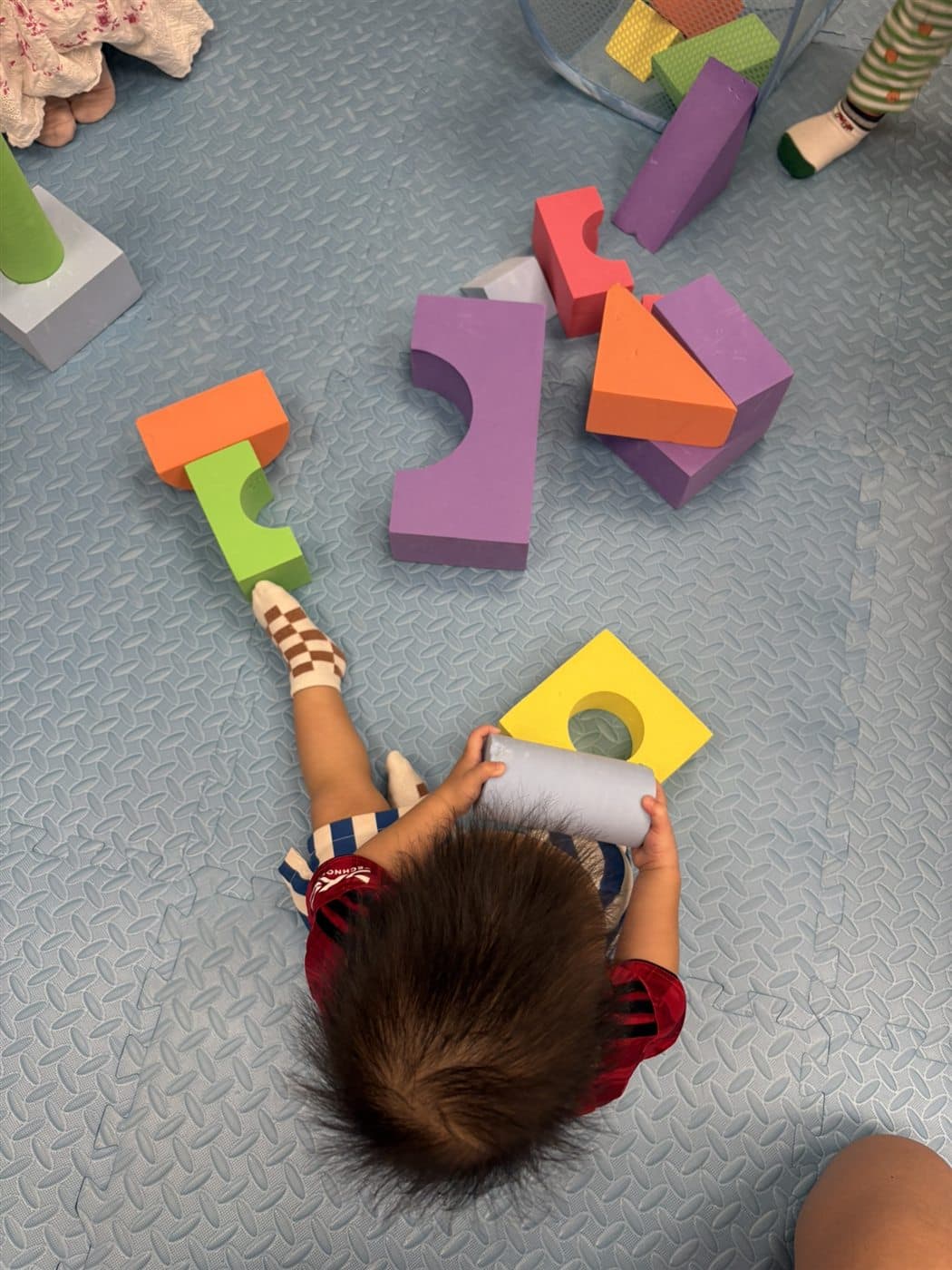
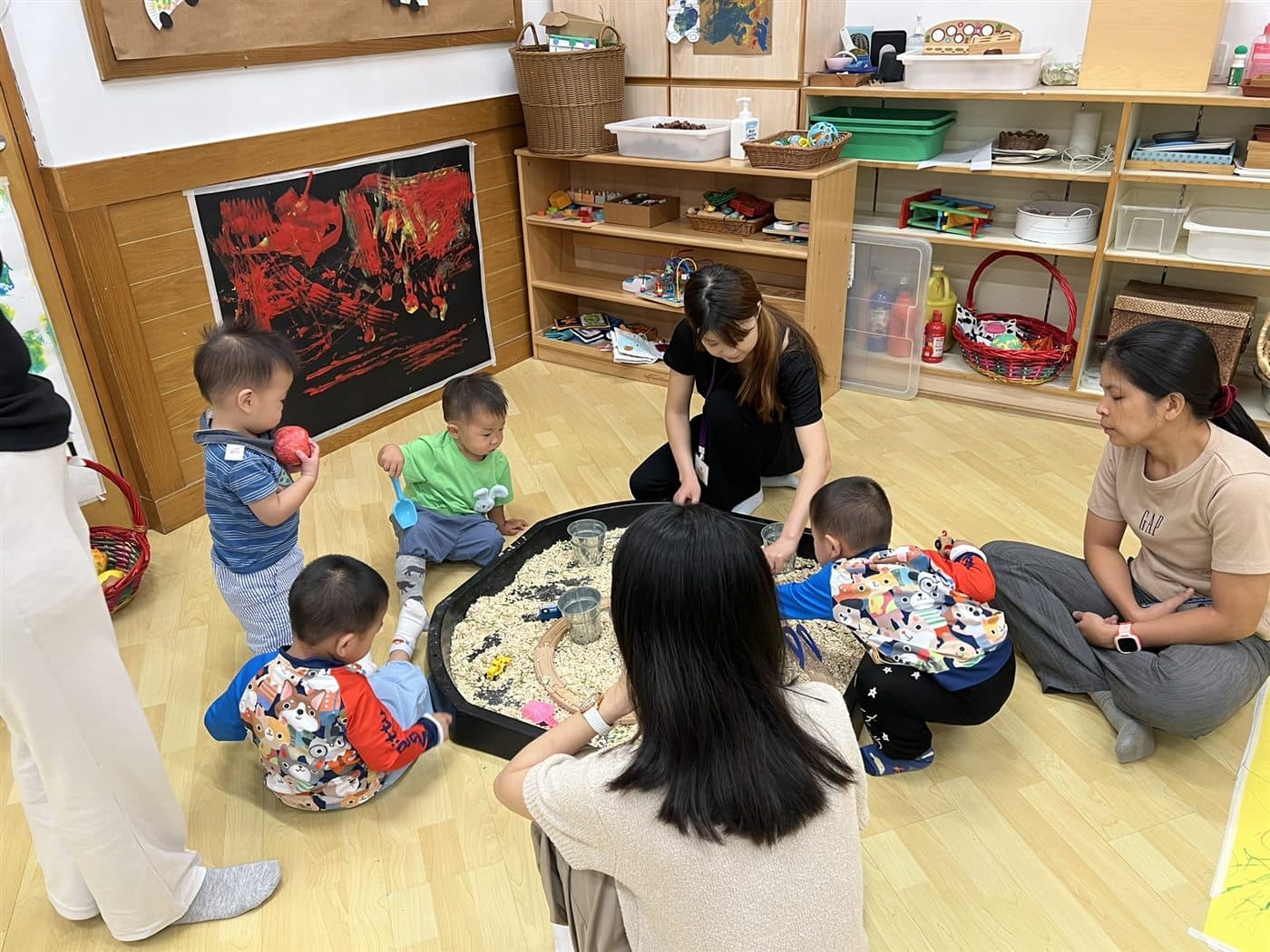
The word immersion can mean different things. Jessica described children using Mandarin through play and everyday exchanges, rather than treating the language as a separate lesson to learn
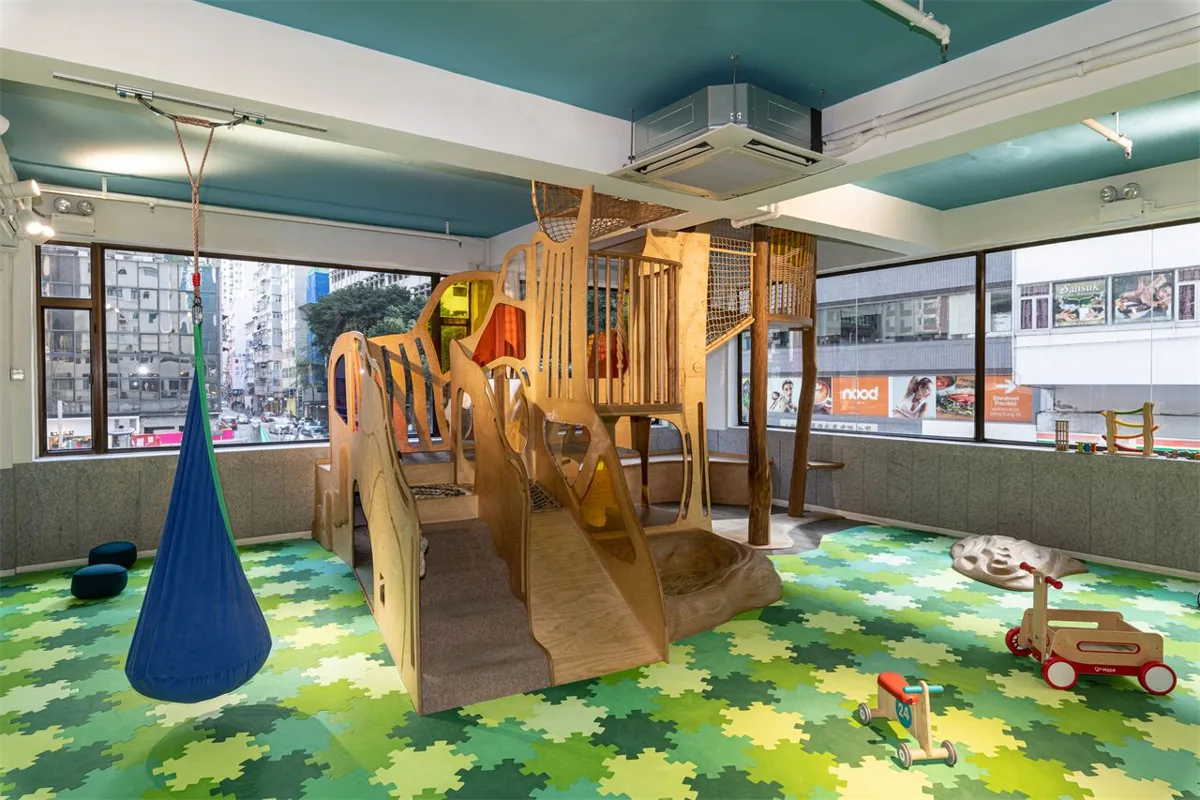
Mulberry House was set up by Jessica and is one of the only places in Hong Kong offering full Mandarin immersion and runs a playgroup in Central and two kindergartens / playgroups in Southside and Tai Po
I wanted to know what the difference is between a typical language school and an immersive language experience
I asked what Jessica felt was missing when she set up Mulberry House
“Back in 2014… all the other Chinese are really being taught by language teachers. Language teachers and native is not the same. I want my children to be native. I don’t want my children to be a second language speaker.”
I asked what Hong Kong parents are actually looking for.
“Local Hong Kong parents are always seeking English, because they feel like they can get Cantonese within the household… When Mainland families first come in, they’re seeking English, and a lot of times I tell them, ‘You should not give up your Mandarin.’”
“What you’re teaching at home is just common language. You can’t teach maths in Chinese, you can’t teach physics in Chinese. You still need to go to school for these things.”
“From age zero to six, that oral language is actually very easy to acquire.”
I asked what native actually means, since it does get used a lot in brochures.
“Their first way of thinking of the language is still in their own language, and then they go into their brain and pull out that dictionary they’ve already built. But that is slower… it’s kind of using a translator.”
“When somebody’s truly bilingual, they are using that language to think naturally.”
And I asked what do you wish parents knew before they start?
“Children’s time is limited. If you only can be bilingual, then you should get bilingual first and then get trilingual. You need to actually input the time.”
Ask the teachers how they support a child who is new to Mandarin, how much language they hear and use during play and can actually pick up after a term
More from Mulberry House Central
Related reading